WHY DEWORM A PIGLET?
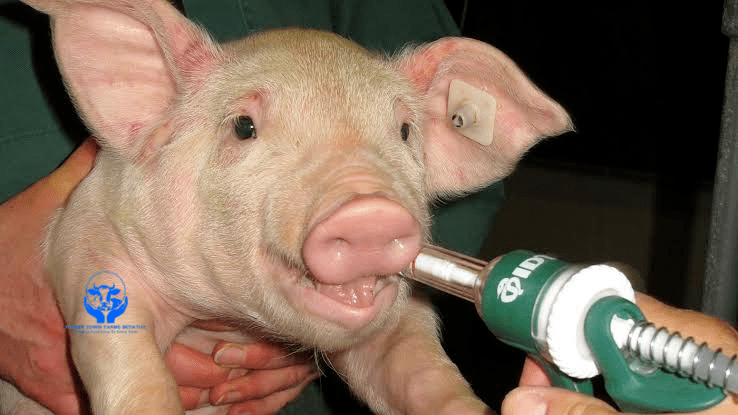
Deworming piglets is a critical practice in pig farming that ensures the health and productivity of your animals. Internal parasites, such as worms, can negatively affect a piglet’s growth, feed efficiency, and overall well-being. Here are key reasons why deworming your piglet is essential:
- Improves Growth and Weight Gain
Parasites consume nutrients meant for the piglet, slowing growth and weight gain. Regular deworming ensures that your piglets use their feed efficiently, allowing them to grow faster and healthier.
- Prevents Disease
Worm infestations can cause serious health issues, including diarrhea, anemia, and weakened immunity. Deworming reduces the risk of these conditions, promoting better overall health.
- Enhances Productivity
Healthy piglets grow into productive pigs. By deworming, you improve their potential for reproduction, meat production, and long-term profitability.
- Reduces Spread of Parasites
Parasites can easily spread within a herd through feces or contaminated feed. Deworming helps control parasite populations, keeping the entire herd healthy.
- Ensures Better Feed Conversion
Piglets with worms often waste feed due to poor digestion. Deworming improves feed conversion rates, saving you money on feed costs.
When and How to Deworm
• Start Early: Deworm piglets at around 6–8 weeks of age or as recommended by your veterinarian.
• Follow a Schedule: Regularly deworm your piglets based on farm conditions and parasite load.
• Use the Right Products: Choose dewormers effective against common parasites in your area and follow dosage instructions carefully.
Conclusion
Deworming is a simple yet essential step to ensure the health, growth, and profitability of your piglets. By preventing parasites, you set the foundation for a thriving and productive herd. For best results, consult your veterinarian to establish an effective deworming program tailored to your farm’s needs.
 WINNER EDWIN FARMS INITIATIVE