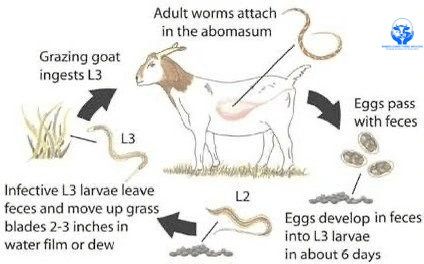
Preventing Helminthiasis in Young Goats

Helminthiasis is a disease caused by worms that can harm young goats, leading to diarrhea, weight loss, poor growth, and even death. Preventing this disease is crucial to keeping your goats healthy and productive.

Simple Prevention Steps

1. Deworming

Deworm young goats regularly using the right medication for the worms in your area. Ask a vet for guidance.

2. Pasture Rotation

Move goats to fresh pastures often to reduce worm exposure. Avoid overgrazing, as short grass carries more worms.

3. Good Nutrition

Feed goats a balanced diet to boost their immune system and help them fight off worms naturally.

4. Clean Water and Housing

Always provide clean drinking water and keep their living areas clean to stop worms from spreading.

5. Check Your Goats

Watch for signs like diarrhea, weight loss, or tiredness. Early treatment can stop problems from getting worse.

6. Vaccination

In areas where worms are a big problem, ask your vet about vaccines that may help protect your goats.

7. Choose Resistant Breeds

Some goat breeds are naturally better at resisting worms. Consider these when breeding or buying goats.

Best Practices

• Work with a vet to create a parasite control plan.

• Use a mix of methods like deworming, pasture rotation, and good nutrition for the best results.

• Regularly check how well your prevention efforts are working and adjust as needed.

Conclusion

Preventing helminthiasis is simple with proper care. Deworm regularly, provide clean water and food, rotate pastures, and keep an eye on your goats’ health. These steps will keep your goats healthy, growing, and productive.
Preventing Helminthiasis in Young Goats

WATER EXCHANGE: A CRUCIAL FACTOR FOR PROMOTING FISH GROWTH

Many fish farmers just put their fishes in ponds and allow them to survive on their own. They think as long as the fish is being fed, everything is okay. Though feeding is part of what should be done, it isn’t the only thing that matters.

Just like humans bath everyday, so should there be water exchange regularly. The bad water drained out and replaced by a better one.

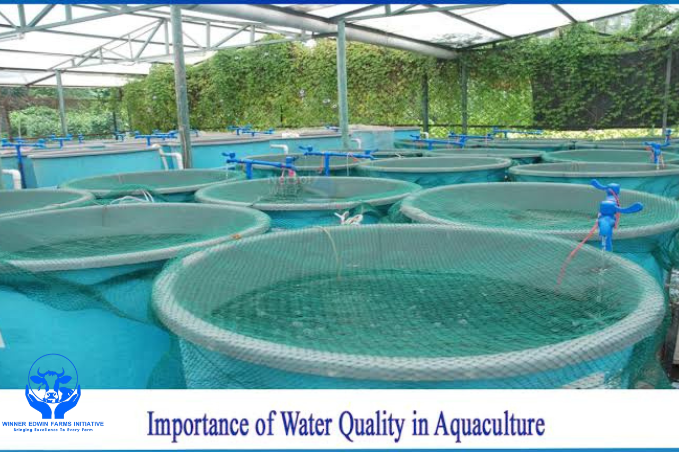
Water exchange is crucial for fish farm because it helps maintain optimal water quality, ensuring health and well being of the fish.

IMPORTANCE OF WATER EXCHANGE IN FISH FARMING

1.REMOVAL OF WASTE PRODUCTS:
Water exchange helps remove toxic ammonia, nitrite and excess carbon dioxide which could harm the fish.

  1. TEMPERATURE CONTROL: Water exchange helps regulate water temperature, reducing stress on the fish.
  2. OXYGEN AND PH LEVEL: Water exchange increases oxygen levels, ensuring fish receive sufficient oxygen for survival. It also help maintain pH levels, essential for fish health.
  3. PREVENTS DISEASE OUTBREAK: Exchange of water decreases the concentration of disease causing bacteria and viruses. It also reduces the risk of parasite infestations.
  4. PROMOTES HEALTHY FISH GROWTH: Water exchange ensures optimal water conditions, which supports healthy fish growth. Regular water exchange is essential in maintaining a healthy and productive fish farm. The frequency of water exchange depends on factors like fish density, water quality and fish farm.
WATER EXCHANGE: A CRUCIAL FACTOR FOR PROMOTING FISH GROWTH

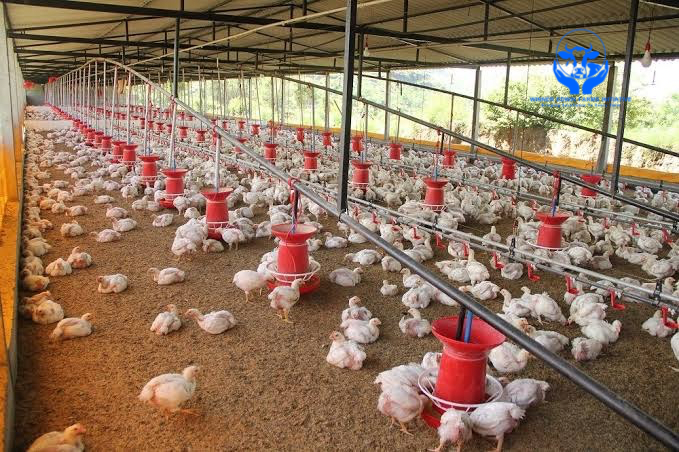
ADVANTAGES OF PROPER SPACING IN POULTRY FARMING

Spacing is a crucial factor in poultry farming that directly impacts the health, productivity, and welfare of birds. Proper spacing involves providing sufficient room for each bird to move freely and thrive without the stress of overcrowding. Here are the key advantages of maintaining adequate spacing in poultry farming:

  1. Improved Health and Hygiene

Adequate spacing reduces the risk of disease outbreaks by ensuring better ventilation and minimizing contamination of feed and water. Overcrowding creates conditions for infections to spread rapidly, whereas proper spacing helps maintain cleaner and healthier environments for the birds.

  1. Reduced Stress

Overcrowding leads to stress, which can result in harmful behaviors like feather pecking and cannibalism. Stress also weakens the immune system, making birds more susceptible to diseases. Proper spacing allows birds to move comfortably, reducing aggression and promoting overall well-being.

  1. Enhanced Growth and Productivity

Birds given enough space have better access to feed and water, improving growth rates and feed conversion efficiency. Additionally, adequate room to express natural behaviors contributes to higher-quality meat and increased egg production.

  1. Minimized Competition for Resources

When birds are crowded, competition for essential resources such as feed, water, and nesting areas increases. Proper spacing ensures equal access to these resources, resulting in uniform growth and healthier birds.

  1. Higher Egg Production

In layer farming, hens with enough space to nest and move around are less stressed and more productive. Comfortable and relaxed hens lay eggs more consistently, improving farm profitability and product quality.

  1. Lower Mortality Rates

Overcrowding is often associated with higher mortality due to stress, disease, and injuries. Providing adequate space creates a safer and more balanced environment, leading to reduced mortality rates and minimized farm losses.

Conclusion

Proper spacing is fundamental to successful poultry farming. It promotes healthier birds, reduces stress and disease risk, enhances growth and productivity, and improves overall farm profitability. By designing poultry housing with adequate spacing, farmers can ensure the sustainability and long-term success of their operations.

ADVANTAGES OF PROPER SPACING IN POULTRY FARMING

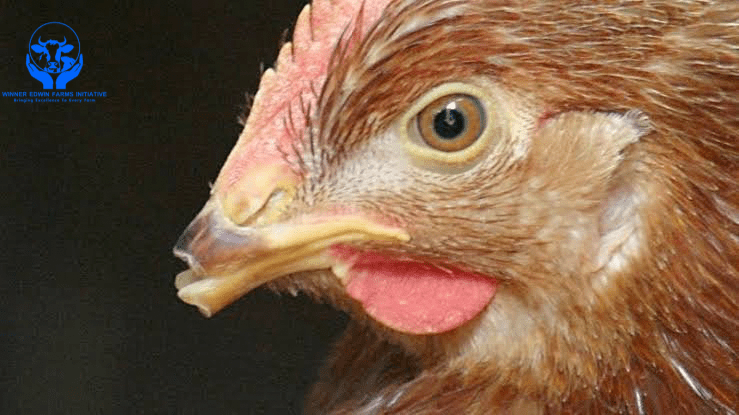
The Advantages of Debeaking in Poultry Farming

Debeaking, or beak trimming, is a common practice in poultry farming aimed at managing bird behavior to ensure flock safety and productivity. Here are the key advantages of this procedure:

1. Reduces Feather Pecking and Cannibalism

Debeaking minimizes harmful behaviors like feather pecking and cannibalism, which are common in high-density poultry systems. By reducing these behaviors, it helps prevent injuries and mortality within the flock.

2. Improves Feed Efficiency

Chickens with trimmed beaks focus more on feeding rather than aggressive pecking. This leads to better feed consumption, healthier growth rates, and increased productivity in both layers and broilers.

3. Enhances Welfare and Health

While controversial, when done correctly, debeaking prevents injuries and reduces stress among birds. A safer environment reduces the risk of infections and diseases, promoting overall flock health.

4. Prevents Equipment Damage

By limiting aggressive pecking, debeaking reduces damage to feeders, drinkers, and other equipment, saving farmers maintenance costs and enhancing operational efficiency.

5. Creates a Stable Environment

Debeaking helps maintain harmony in the flock, ensuring consistent egg production, growth rates, and lower mortality, which are critical for a productive farming operation.

6. Aligns with Industry Standards

In some regions, debeaking aligns with poultry farming regulations and animal welfare standards. Farmers who practice it responsibly can meet these guidelines while improving farm productivity.

Conclusion

Debeaking offers practical solutions for managing poultry in commercial farming, particularly in preventing harmful behaviors and ensuring flock welfare. When performed carefully and in line with welfare regulations, it balances animal well-being with farm productivity, benefiting both the birds and the farmers.

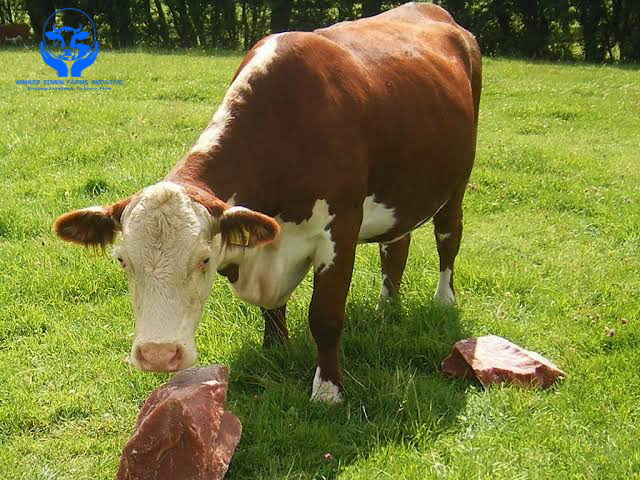
Why Salt is Essential for Cattle

Salt is a vital part of a cattle’s diet, playing a crucial role in their health and productivity. Here are some key reasons why cattle need salt:

1. Balances Nutrients

Salt helps regulate water levels in the body and supports proper muscle and nerve function, keeping cattle healthy and active.

2. Encourages Hydration

It stimulates cattle to drink more water, which is essential for digestion, nutrient absorption, and overall health.

3. Prevents Deficiencies

Without enough salt, cattle may experience poor growth, reduced milk production, and a higher risk of diseases.

4. Supports Digestion

Salt is essential for rumen health, helping cattle digest their feed efficiently and maintain energy levels.

5. Maintains Healthy Skin and Hooves

Adequate salt intake promotes healthy skin and hooves, preventing issues like dryness, cracking, or brittleness.

6. Reduces Stress

Salt helps lower stress levels in cattle, boosting their overall well-being and productivity.

How to Provide Salt to Your Cattle

• Use salt licks or blocks.

• Include mineral supplements in their diet.

• Mix salt with their feed.

Ensuring your cattle get enough salt is an easy but powerful way to promote their health, growth, and productivity. Don’t overlook this essential nutrient!

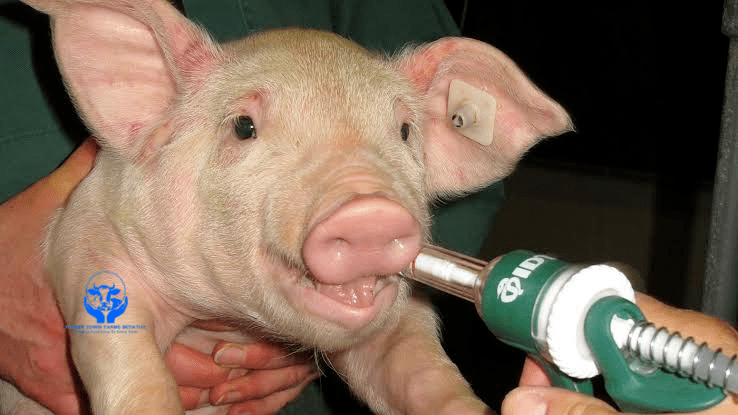
WHY DEWORM A PIGLET?

WHY DEWORM A PIGLET?
Deworming piglets is a critical practice in pig farming that ensures the health and productivity of your animals. Internal parasites, such as worms, can negatively affect a piglet’s growth, feed efficiency, and overall well-being. Here are key reasons why deworming your piglet is essential:

  1. Improves Growth and Weight Gain

Parasites consume nutrients meant for the piglet, slowing growth and weight gain. Regular deworming ensures that your piglets use their feed efficiently, allowing them to grow faster and healthier.

  1. Prevents Disease

Worm infestations can cause serious health issues, including diarrhea, anemia, and weakened immunity. Deworming reduces the risk of these conditions, promoting better overall health.

  1. Enhances Productivity

Healthy piglets grow into productive pigs. By deworming, you improve their potential for reproduction, meat production, and long-term profitability.

  1. Reduces Spread of Parasites

Parasites can easily spread within a herd through feces or contaminated feed. Deworming helps control parasite populations, keeping the entire herd healthy.

  1. Ensures Better Feed Conversion

Piglets with worms often waste feed due to poor digestion. Deworming improves feed conversion rates, saving you money on feed costs.

When and How to Deworm

• Start Early: Deworm piglets at around 6–8 weeks of age or as recommended by your veterinarian.
• Follow a Schedule: Regularly deworm your piglets based on farm conditions and parasite load.
• Use the Right Products: Choose dewormers effective against common parasites in your area and follow dosage instructions carefully.

Conclusion

Deworming is a simple yet essential step to ensure the health, growth, and profitability of your piglets. By preventing parasites, you set the foundation for a thriving and productive herd. For best results, consult your veterinarian to establish an effective deworming program tailored to your farm’s needs.

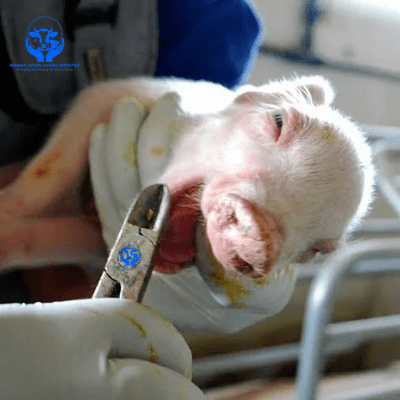
BENEFITS OF NEEDLE TEETH CLIPPING IN PIGLETS

needle teeth clipping in piglets

Needle teeth clipping, performed shortly after birth, involves trimming the sharp tips of piglets’ canine teeth. This practice offers several benefits:

  1. Prevents Udder Injuries: Protects sows from wounds and infections caused by piglets’ sharp teeth during nursing.
  2. Reduces Piglet Injuries: Minimizes injuries from biting during competition for teats, improving group harmony.
  3. Improves Welfare: Lowers stress and pain, fostering healthier piglet development.
  4. Boosts Productivity: Reduces stress-related growth delays, enhancing weight gain and profitability.
  5. Prevents Disease: Reduces injury-related infection risks, promoting overall herd health.
  6. Aligns with Welfare Standards: Encourages humane practices to improve animal health and comfort.
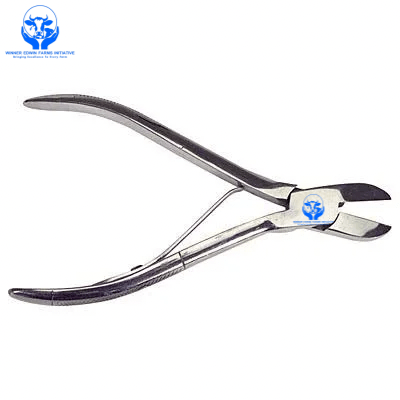
Needle teeth clipper

Best Practices: Perform the procedure within 1–3 days of birth using sanitized tools, avoid over-clipping, and maintain hygiene to ensure effectiveness and safety.

Needle teeth clipping, when done correctly, enhances animal welfare, productivity, and disease prevention in swine operations.

Design a site like this with WordPress.com
Get started