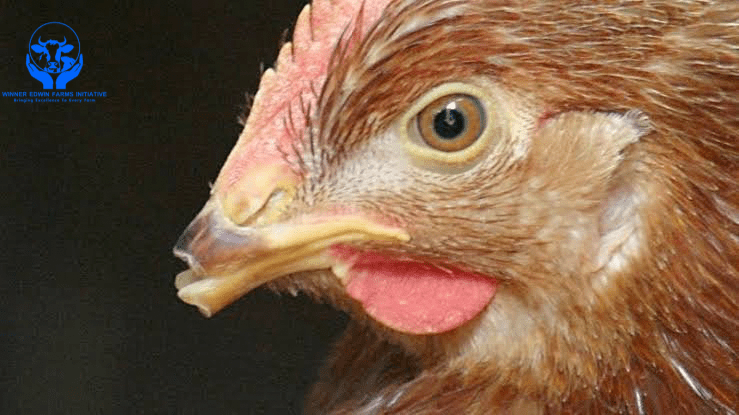
Debeaking, or beak trimming, is a common practice in poultry farming aimed at managing bird behavior to ensure flock safety and productivity. Here are the key advantages of this procedure:
1. Reduces Feather Pecking and Cannibalism
Debeaking minimizes harmful behaviors like feather pecking and cannibalism, which are common in high-density poultry systems. By reducing these behaviors, it helps prevent injuries and mortality within the flock.
2. Improves Feed Efficiency
Chickens with trimmed beaks focus more on feeding rather than aggressive pecking. This leads to better feed consumption, healthier growth rates, and increased productivity in both layers and broilers.
3. Enhances Welfare and Health
While controversial, when done correctly, debeaking prevents injuries and reduces stress among birds. A safer environment reduces the risk of infections and diseases, promoting overall flock health.
4. Prevents Equipment Damage
By limiting aggressive pecking, debeaking reduces damage to feeders, drinkers, and other equipment, saving farmers maintenance costs and enhancing operational efficiency.
5. Creates a Stable Environment
Debeaking helps maintain harmony in the flock, ensuring consistent egg production, growth rates, and lower mortality, which are critical for a productive farming operation.
6. Aligns with Industry Standards
In some regions, debeaking aligns with poultry farming regulations and animal welfare standards. Farmers who practice it responsibly can meet these guidelines while improving farm productivity.
Conclusion
Debeaking offers practical solutions for managing poultry in commercial farming, particularly in preventing harmful behaviors and ensuring flock welfare. When performed carefully and in line with welfare regulations, it balances animal well-being with farm productivity, benefiting both the birds and the farmers.
 WINNER EDWIN FARMS INITIATIVE